Art Hazelwood
Art Hazelwood is a San Francisco–based artist, printmaker, educator, curator, and activist whose work spans political posters, fine-press artist books, relief prints, painting, and public art. Known for combining social critique with traditional printmaking techniques, he has worked for decades with grassroots movements and homeless rights groups, organized exhibitions and print collectives like the San Francisco Poster Syndicate, and taught at the San Francisco Art Institute. His prints are held in major collections including the Library of Congress, the New York Public Library, Stanford Special Collections, and the Whitney Museum of American Art, and he has authored and contributed to books on art and homelessness.
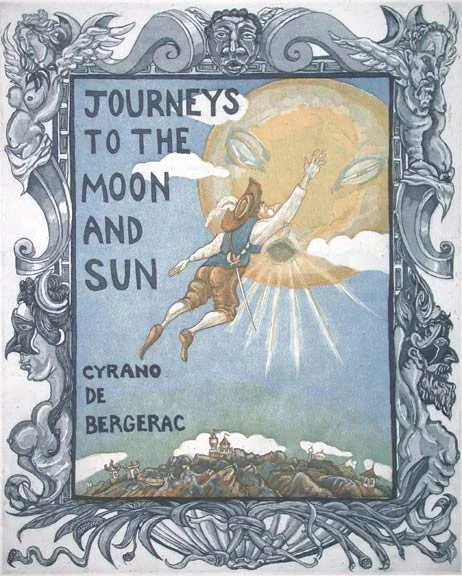
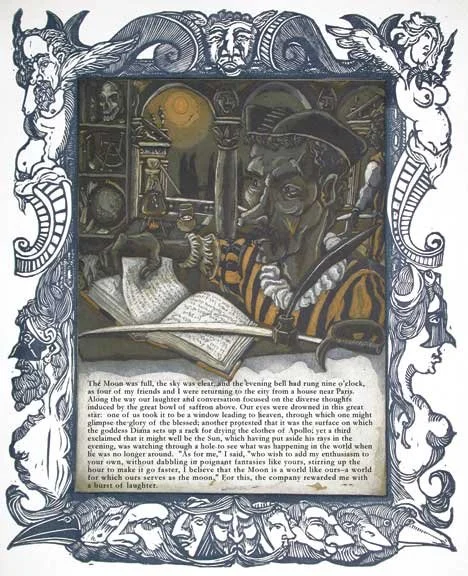
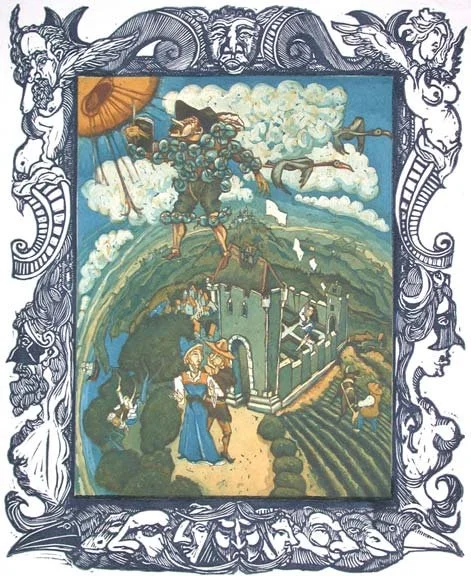

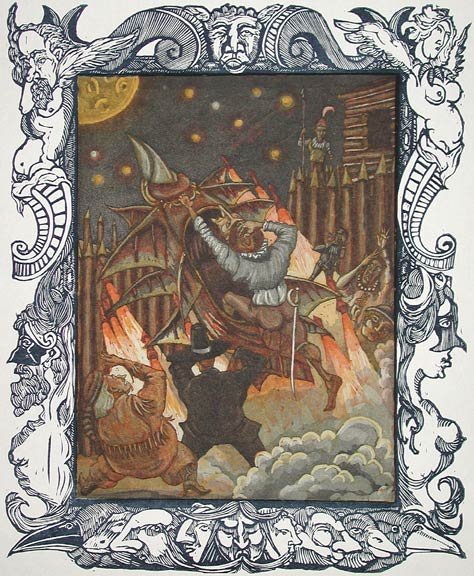
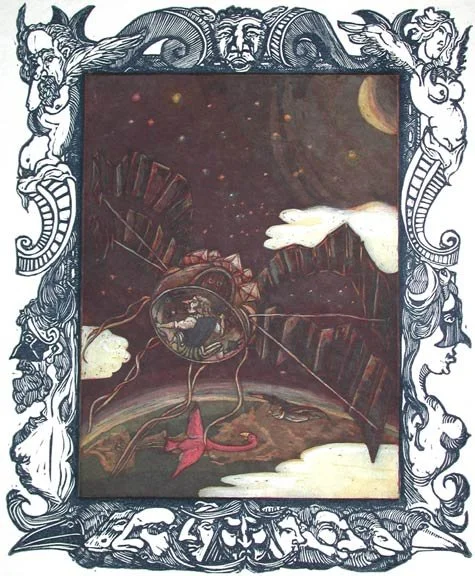
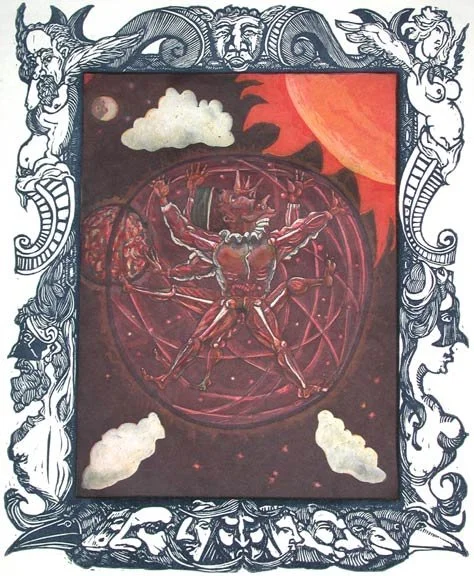
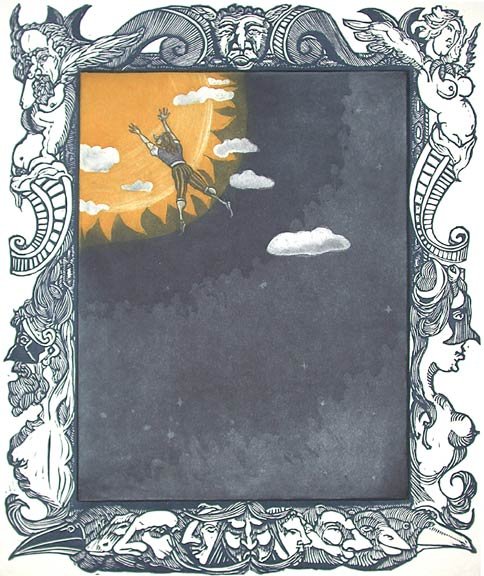
Journeys to the Moon and Sun
A book of prints
12 color etchings with linocut borders
11 pages of text printed letterpress within a linocut border
Edition of 20 (10 sets bound, 10 sets loose in portfolio boxes)
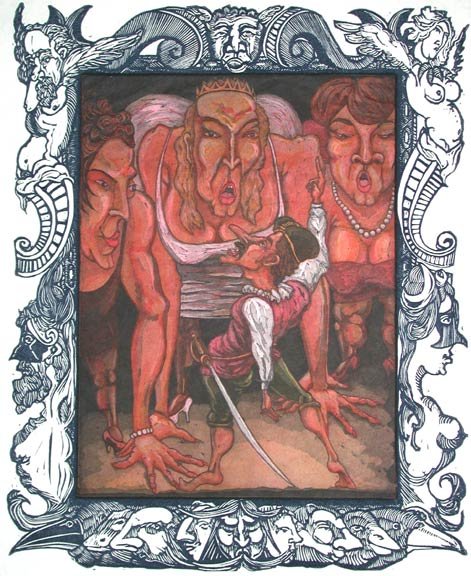
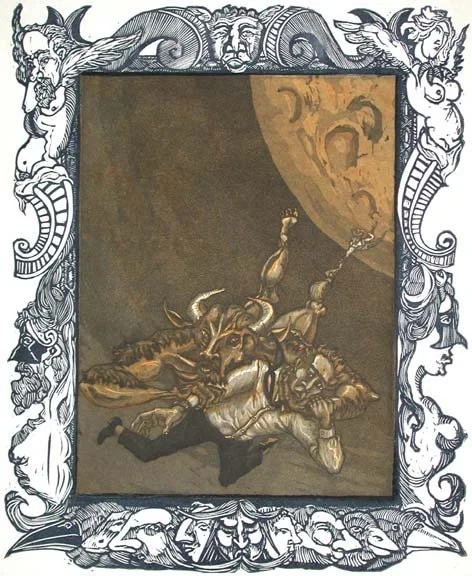
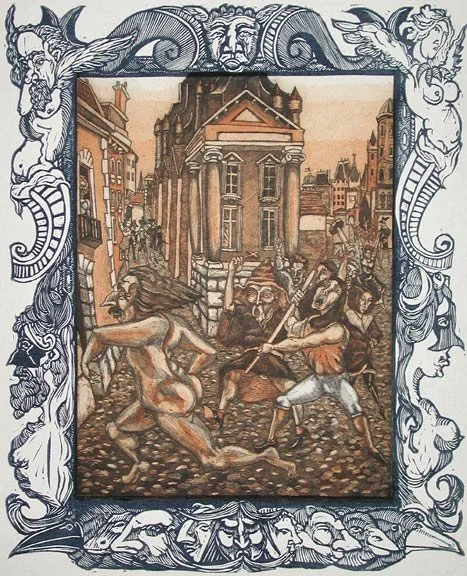
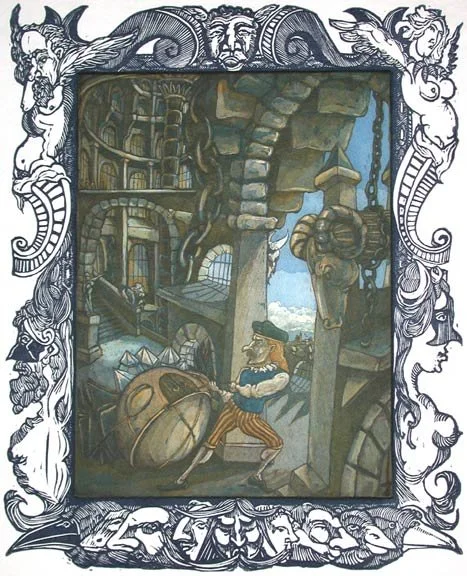
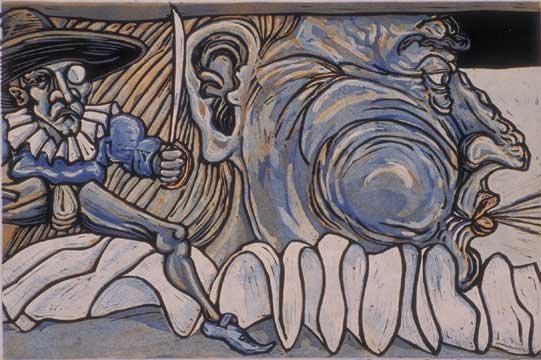
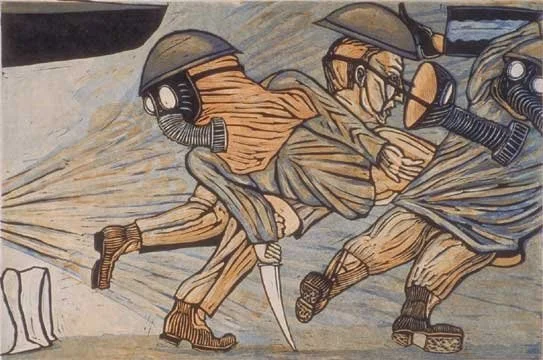
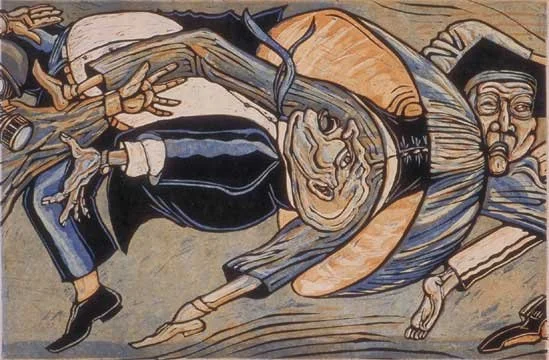
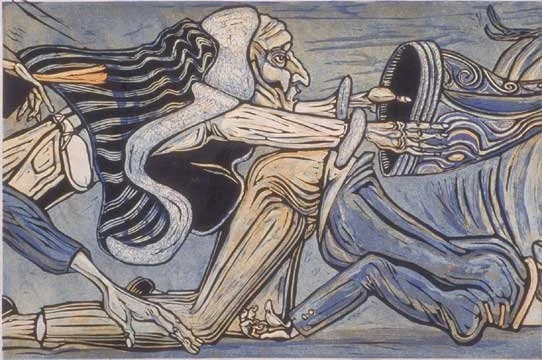
Art Hazelwood has created this series of prints based on the book Journeys to the Moon and Sun by Cyrano de Bergerac (1619-1655). Cyrano was the true life inspiration for the romantic figure of Edmond de Rostand's nineteenth-century play. He was a satirist, swordsmen, poet, and philosopher who indeed had a prodigious appendage. This translation from the original French, based on the 1662 edition, was made by Timothy Hampton, Professor of French and Comparative Literature at the University of California, Berkeley.
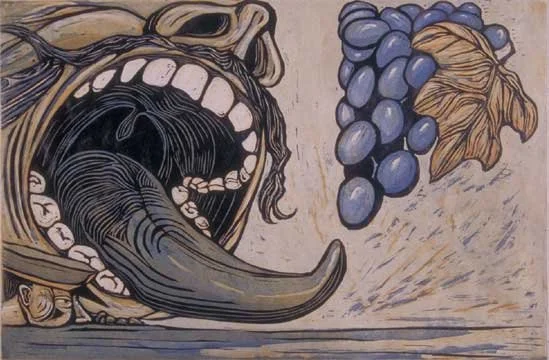
Gargantua in the Vineyard
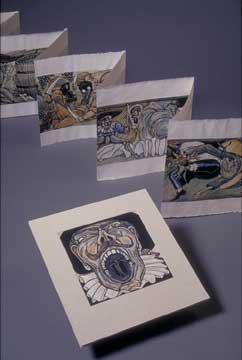
An accordion book of prints
on handmade cotton paper
edition of 25
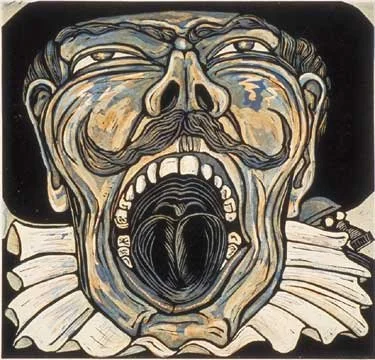
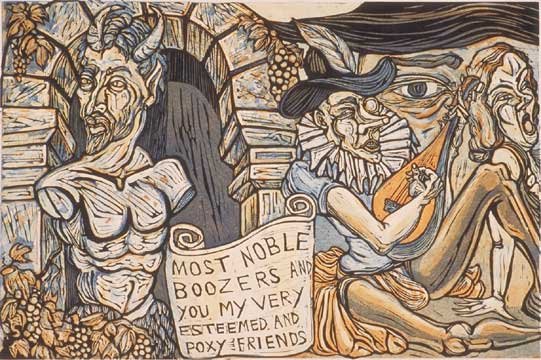
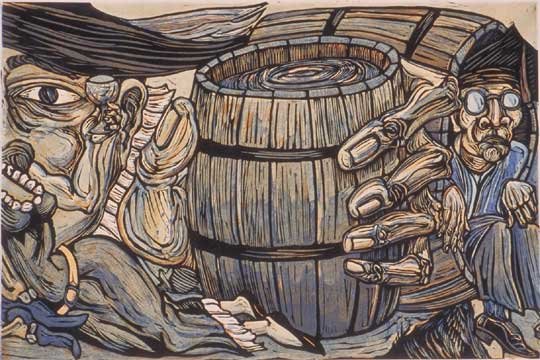
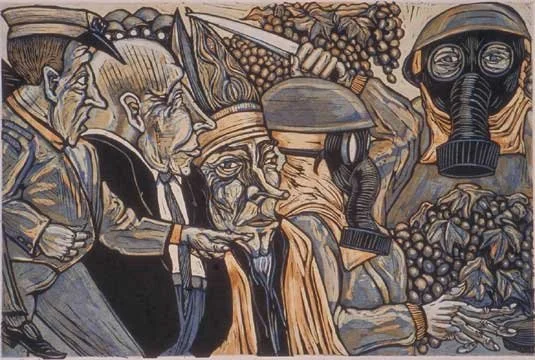
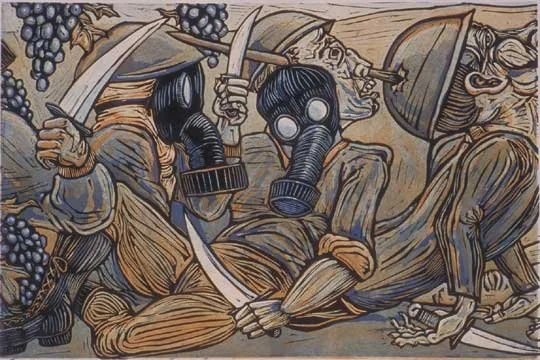
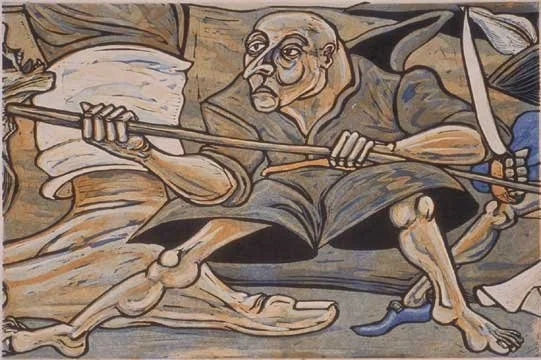
Francois Rabelais (circa 1490 - 1553) and his satirical writings on the illustrious giants, Gargantua and Pantagruel, were the inspiration for this book of prints, Gargantua in the Vineyards, by Art Hazelwood.
Rabelais was a scholar of erudition, a mocker of manners, a defender of appetites, an adherent of wine, and a champion of laughter.
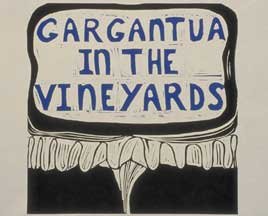
This continuous image book is made up of 10 separate prints joined together into one, as well as a cover image, title page and colophon. The image area measures 12" x 180" (inches). It was Published in an edition of 25 at Eastside Editions, Sonoma, California.
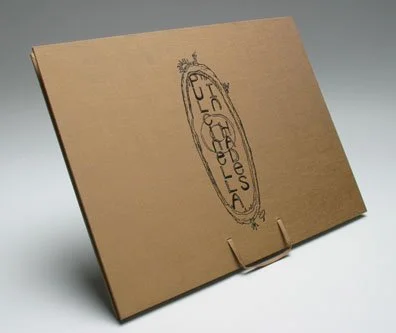
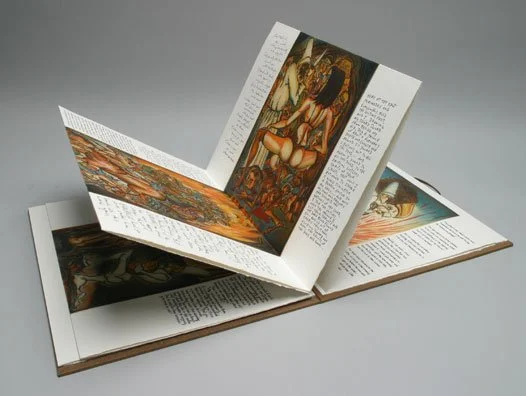

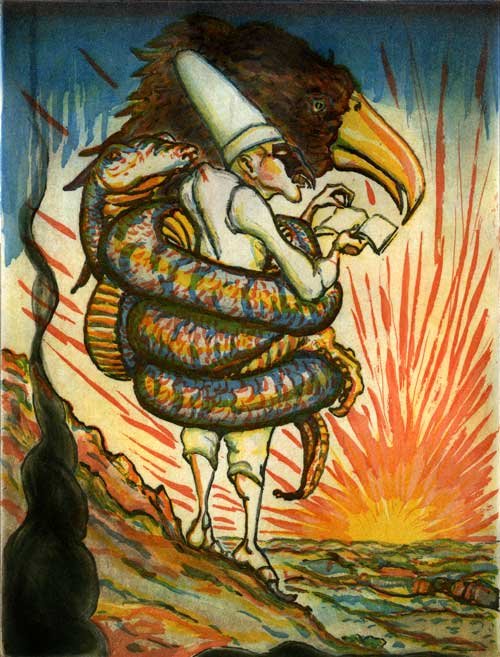
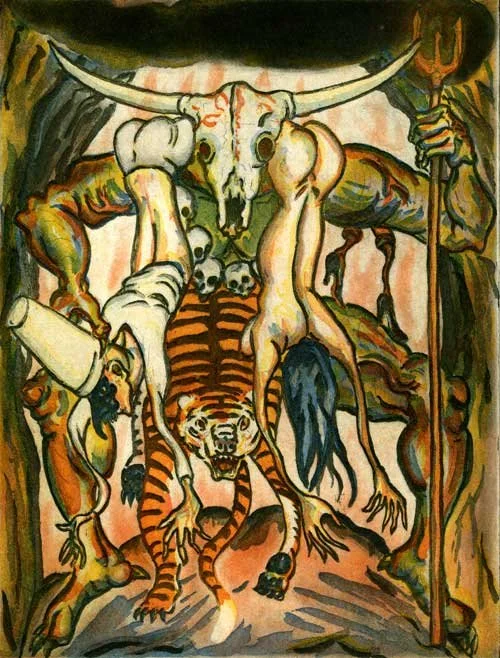
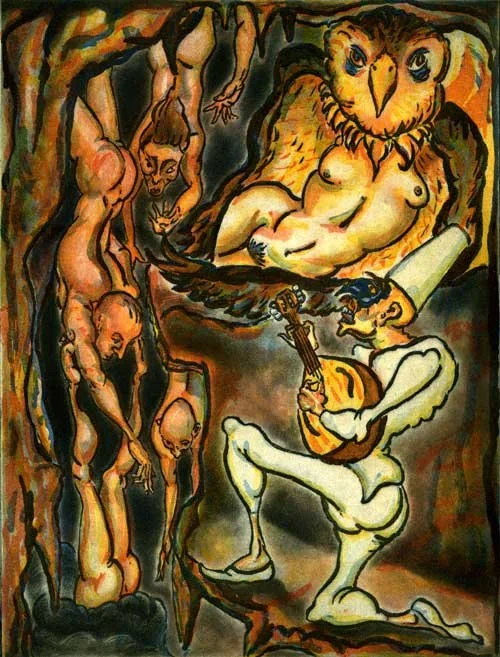
Pulcinella in Hades
accordion fold book
8 feet of continuous 4 plate color etchings
Edition of 20