Simon’s Story
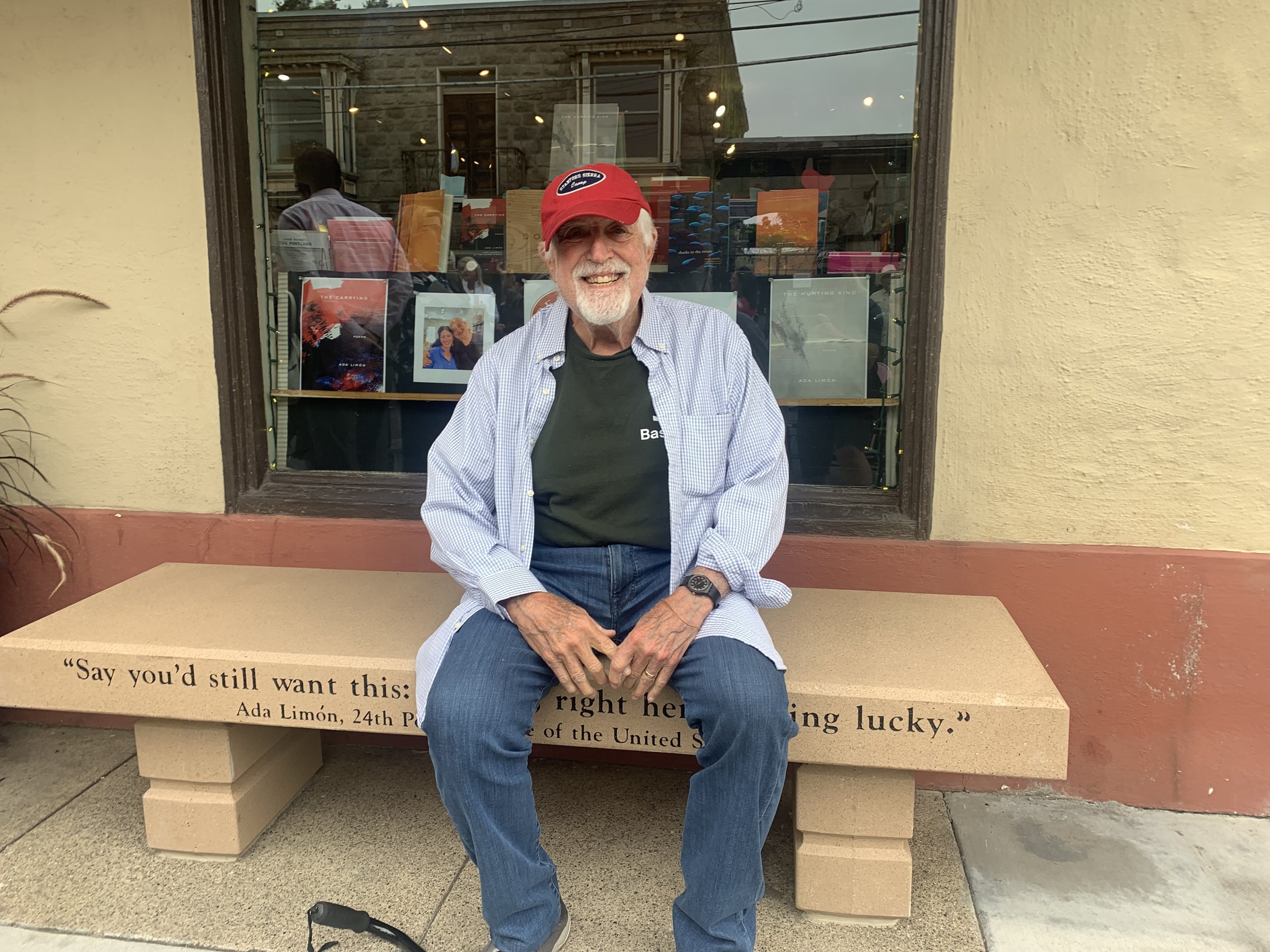
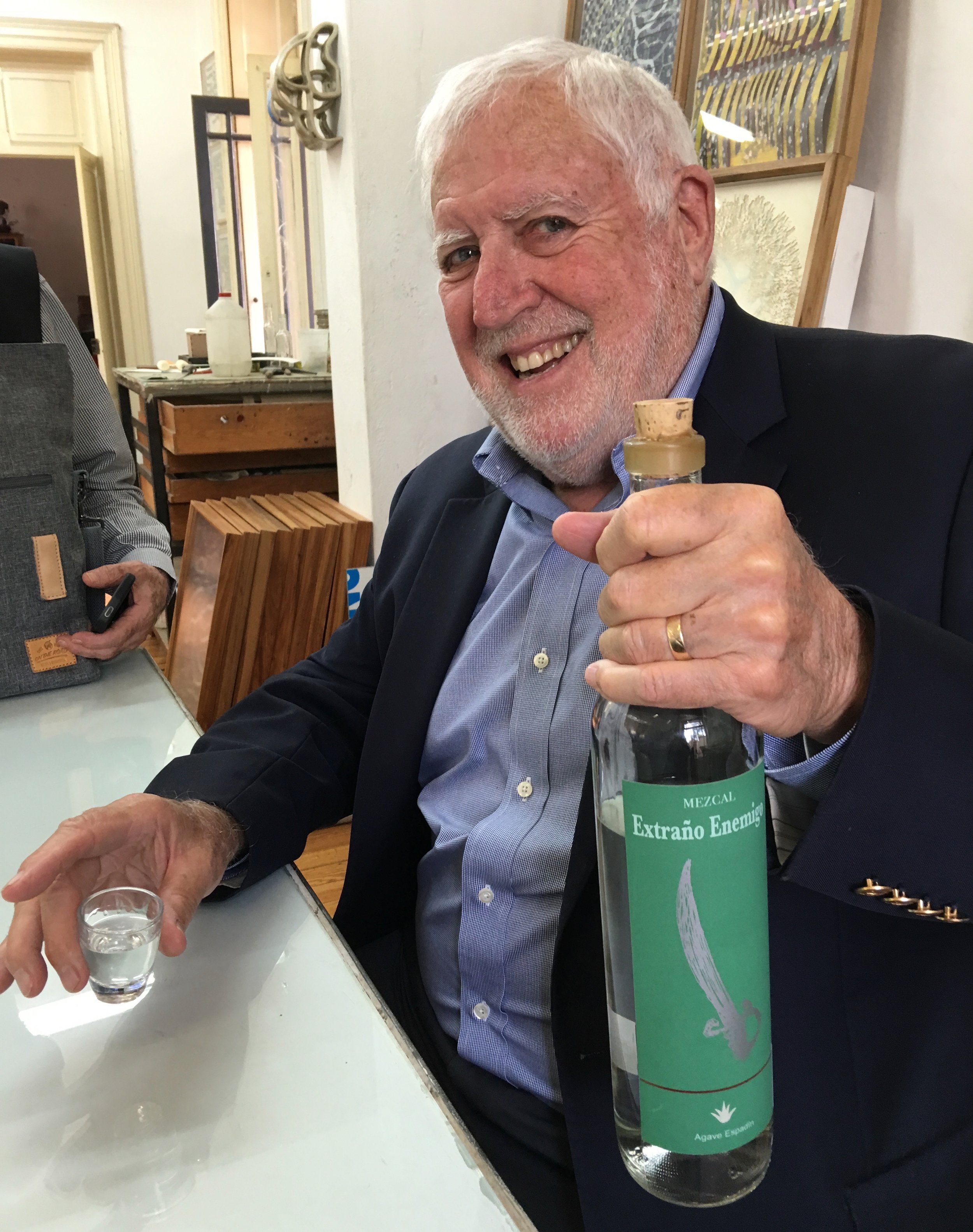
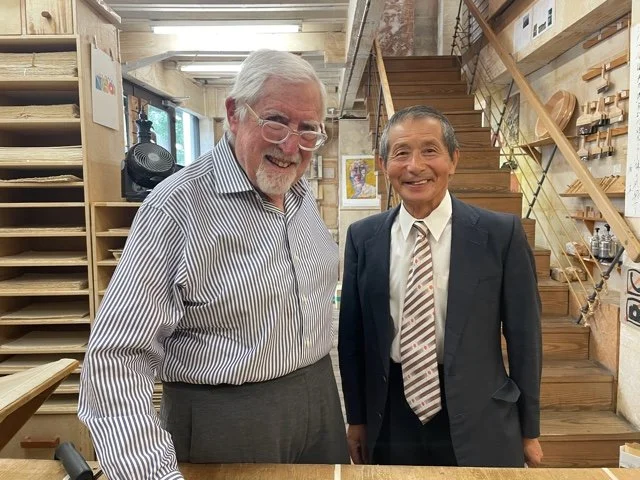
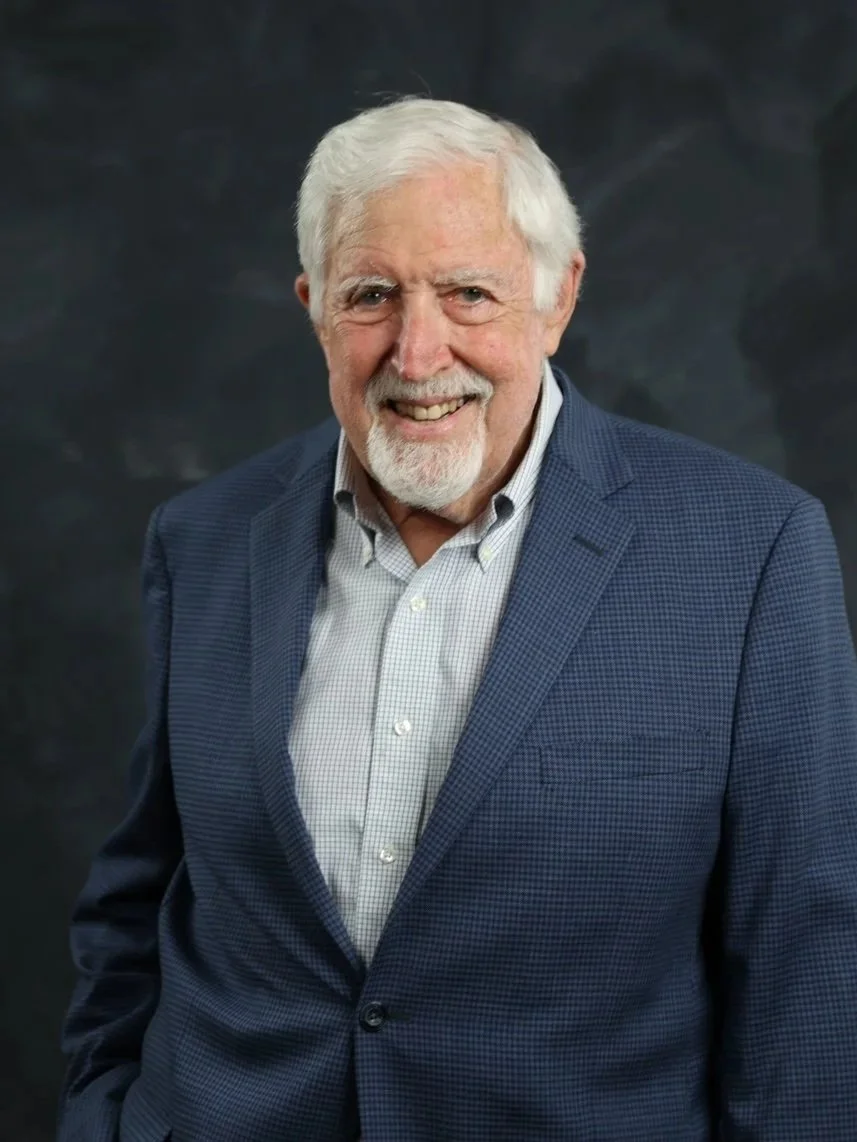
Simon was the owner of a commercial paper company and later learned how to make handmade paper at the California College of the Arts. After an apprenticeship at Magnolia Editions in Oakland, in 2000 he founded Eastside Editions, a fine art print studio and publisher devoted to working with emerging and mid-career Bay Area artists. The studio’s small team specialized in etchings printed on handmade and mouldmade paper — and yes, Simon often made the paper himself. Along the way, he also published a series of small, handcrafted books that now live in rare book collections at Stanford, St. Mary’s College, and in major private collections. Today, he remains the steward of the Eastside Editions print archive.
Simon’s love affair with paper started early. His apprenticeship in handmade papermaking at Magnolia Editions taught him the craft of papermaking from the fiber up. His deep knowledge of the medium later took him to Rome as a visiting scholar at the American Academy, where he researched the history of paper — from papyrus through early Asian and Western traditions — and even taught papermaking at Temple University while he was there.
When physical limitations eventually led him away from the vats and presses, Simon’s focus shifted from making to curating. Between 2009 and 2025, he organized and curated four exhibitions for the Sonoma Valley Museum of Art exploring artist books and handmade paper, continuing his commitment to the artists and art forms he has long championed. Most recently he has begun curating exhibitions at the Gallery 212 of the Sonoma Community Center.
Simon has also been deeply involved in arts leadership. He served on the Board of Trustees of California College of the Arts, including as Chair (2002–2005), is a former board member of the Sonoma Valley Museum of Art, and serves on the board of the Book Club of California and the advisory board of Hand Papermaking.
Simon is a Northwestern University alum and received the Northwestern Alumni Association Award of Merit in 1999.
He lives in Sonoma Valley and remains endlessly curious about how something as humble as pulp and fiber can become a work of art.